Share

When the doors to the outdoor area open, children often head outside with energy, excitement and a real sense of freedom. For many, it’s a chance to move, explore, communicate, solve problems and connect with others in different ways.
The outdoor environment offers countless opportunities for learning and development. But it’s also a useful moment for leaders and practitioners to reflect.
Are children continuing to experience the same curriculum outdoors, or does the outdoor area become a separate space where learning is less intentional?
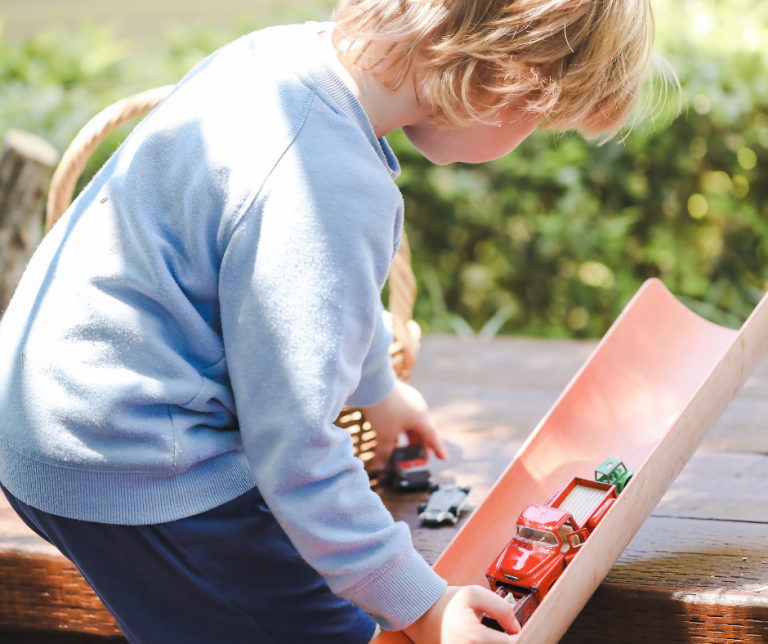
In early years, it’s easy to think about “what we’re doing outside” as though it’s separate from the rest of the provision. We might focus on the water tray, bikes, sand area, mud kitchen, books on a rug or large-scale construction. All of these experiences can be valuable, but the key question isn’t simply what’s been put out.
The more important question is: what are children learning through it?
Planning is the organisation. It’s the resources, experiences, routines and opportunities we provide. The curriculum is the substance behind those decisions. It’s what we want children to know, understand, practise and build on over time.
We don’t need an indoor curriculum and an outdoor curriculum. We need one clear curriculum that is understood and delivered across every area of provision.
The outdoor environment shouldn’t be a break from purposeful teaching. It should be another place where the curriculum comes to life.
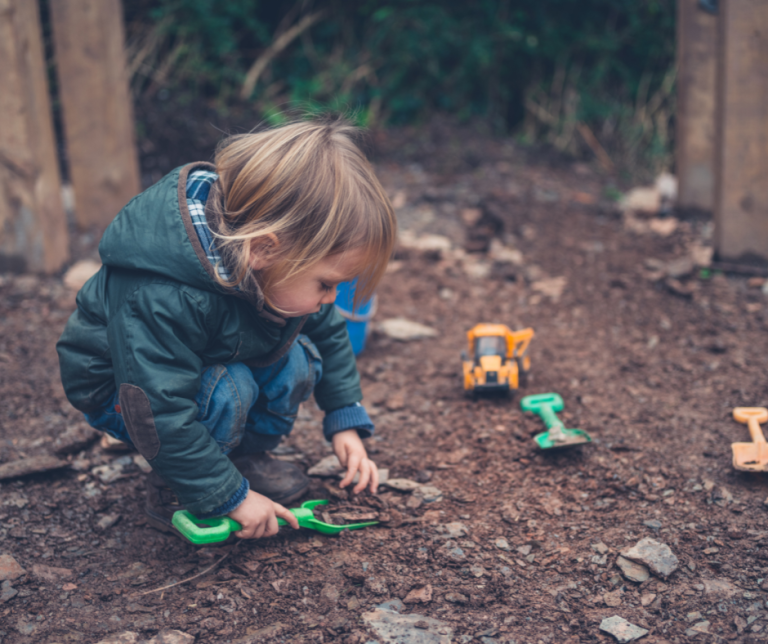
It’s easy for outdoor provision to become activity-led rather than curriculum-led. Resources are taken outside, activities are set up and children enjoy a change of scenery.
While this can look engaging and purposeful, without a clear focus it can become a collection of experiences rather than a continuation of learning.
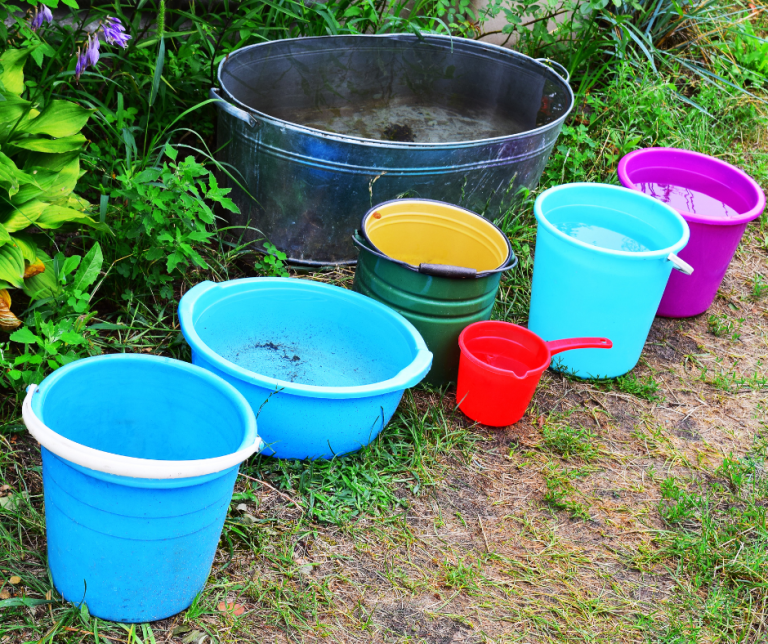
For example, if children are developing mathematical language, the outdoor environment provides plenty of opportunities to explore this in a more active and meaningful way. Children might talk about heavy and light as they carry buckets of soil, compare full and empty containers in the mud kitchen, or use positional language as they climb, balance and build.
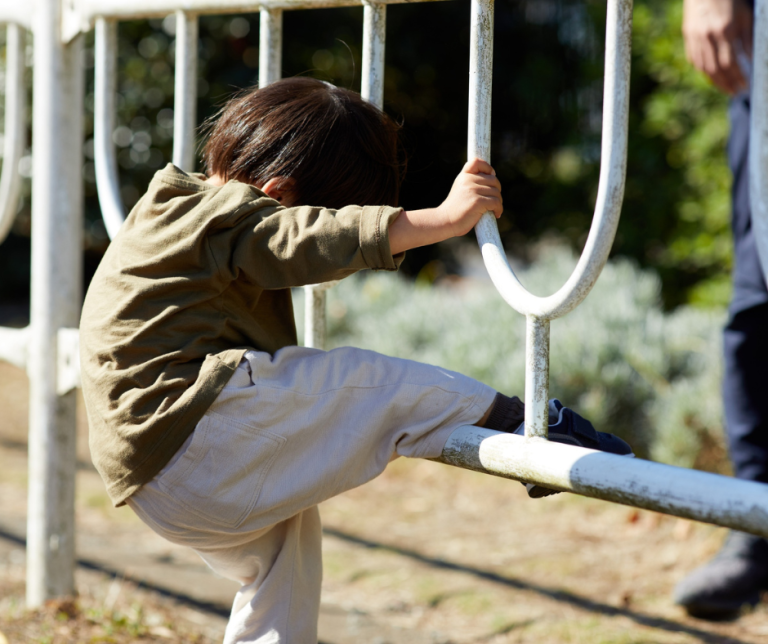
The same applies to other areas of learning. If children are developing fine motor skills, that learning doesn’t need to stay indoors. Outdoors, they might use tweezers to collect natural objects, paint with water and brushes, fasten clips, peg fabric, dig with smaller tools or manipulate loose parts.
The resources may be different. The space may be bigger. But the curriculum focus should remain the same.
This is where practitioner knowledge makes all the difference. Practitioners need a clear understanding of what children are working on, where they are in their development and how the outdoor environment can support and extend that learning.
Continuity is particularly important for children who need additional support. If a child has a communication target, sensory need, physical development focus or individual support plan, it’s worth considering how that support continues as they move between indoor and outdoor environments.
This doesn’t mean every resource or strategy needs to be duplicated outside. However, if a child relies on visual prompts, communication aids, sensory strategies, targeted language or specific practitioner support, the team should be clear about how these are used consistently throughout the day.
For some children, the outdoor environment may be where they feel most settled, engaged and ready to communicate. For others, it may be the place where they need additional support to manage transitions, share space, cope with noise or regulate their emotions.
This is why outdoor provision should be viewed as part of the overall curriculum offer, rather than something separate or less structured.
Purposeful play doesn’t mean directing every moment or stepping into children’s play unnecessarily. Instead, it means noticing what children are doing, understanding why it matters and making the most of those opportunities.
Sometimes that might involve joining a conversation, introducing new vocabulary, modelling a skill, extending a child’s thinking or simply giving them the time and space they need to practise and develop their confidence.
For leaders, this is a valuable area to explore through everyday conversations and observations. It doesn’t need to be a formal exercise or another monitoring task to add to the list.
Some of the most useful insights come from walking through the provision, talking with staff, observing children at play or reflecting together at the end of a session.
Questions that can help include:
This isn’t about making outdoor play feel formal or overly structured. It’s about making sure it remains meaningful and connected to the curriculum.
For example, if the curriculum focus is weight and measure, children might explore this indoors using scales, comparing objects or investigating size through blocks and loose parts. Outdoors, the same learning can continue through buckets, pulleys, crates, water, soil, gravel or large construction materials.
The environment may look different, but the learning journey continues. The context changes, while the curriculum thread stays firmly in place.
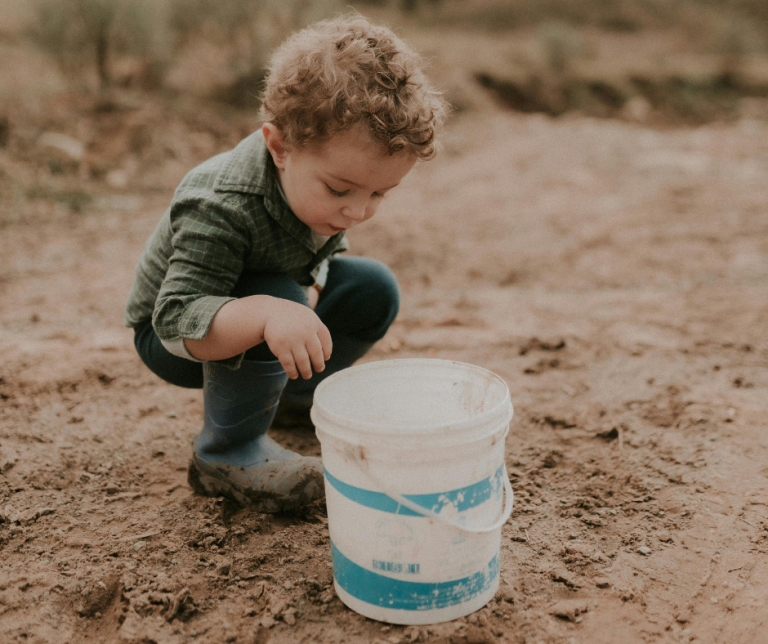
This week, take a little time to observe the outdoor environment with curriculum continuity in mind.
Choose a small number of children and think about what you know about their current learning. Then watch how that learning is being supported outdoors.
These reflections can help shape professional conversations with the team about what’s working well and where practice could be strengthened. The aim is to build a shared understanding of how the curriculum continues across the whole provision, including outdoors.
The outdoor environment is full of possibilities and when it’s connected to the wider curriculum, it gives children the space to move, explore, test ideas, communicate, collaborate and deepen their learning in so many meaningful ways.
Same curriculum. Different view. One continuous learning journey.
If you’d like support in strengthening curriculum continuity across your provision, MBK Early Years can work alongside you and your team to review practice, identify opportunities for development and provide practical, hands-on support.
Book a discovery call to explore how we can help bring your curriculum to life both indoors and outdoors.
With the ever-changing regulations and guidance, sign up to our monthly newsletter and mailings to stay current and keep up to date with running your childcare setting.
Simply enter your details below to join our mailing list.
By completing this form you are agreeing to our privacy policy You can unsubscribe at any time