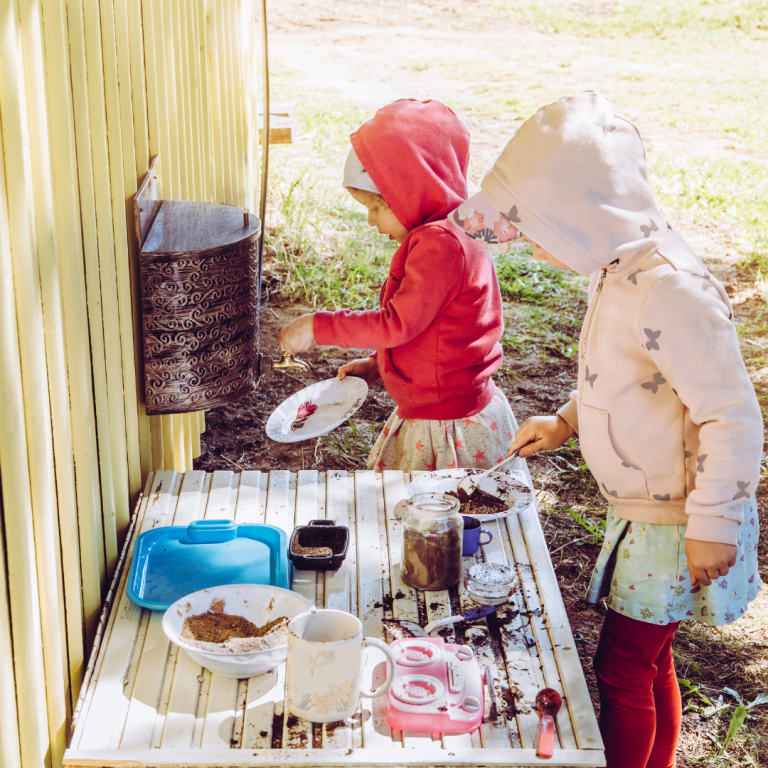
There’s something magical—and a little bit wild—about turning two.
It’s the year of “me do it!”, where fierce independence shows up side by side with the need for reassurance. One moment they’re charging ahead; the next, they’re back in your arms. Two is full of contradictions, big emotions, and even bigger developmental leaps.
People talk about the “terrible twos”, but we see things differently. We think two is terrific. Complex, yes. Challenging, sometimes. But also a key moment in a child’s early life.
Why This Age Matters So Much
Our new training course, Turning Two, dives into exactly what makes this age so important. Because it’s not just about learning new words, climbing higher, or playing for longer—it’s about stepping into a whole new way of being.
At two, children are experiencing huge changes in how they move, talk, think, and relate to others. They’re starting to form stronger attachments, play alongside peers, and express themselves in ways that often feel loud, messy, or emotional. But every reaction is a form of communication—if we know how to listen.
Seeing Two-Year-Olds Through a New Lens
To really support this age group, we need to look beneath the surface. Our Turning Two training helps practitioners understand what’s really going on and how best to respond.
We explore:
How theory turns into everyday practice
Why the environment matters for co-regulation
The powerful role of the key person in this stage
Two-year-olds thrive when they feel secure and seen. When adults take time to tune in, they can better meet children where they are—emotionally, socially, and developmentally.
What the Turning Two Training Offers
This course is designed for practitioners who work with two-year-olds or are preparing to welcome a new cohort. It’s reflective and practical, giving you the tools and confidence to support this unique age group.
You’ll find:
Strategies rooted in current research and guidance
Insights around the 2-year progress check
Ideas for creating developmentally appropriate spaces
Affirmation of what you’re already doing well, with gentle challenges to grow your practice.
A Practical Guide and a Celebration
Turning Two is both a celebration of this special age and a hands-on guide to making a real difference. If you work with under-threes, this course will help you approach the age of two with fresh eyes, grounded understanding, and a whole lot of curiosity.
Ready to feel more confident in your practice?
Find out more and join the course today.
Where to now?
Follow the link for more information about the course here
Want to stay up to date with News, Ofsted and Regulations?
With the ever-changing regulations and guidance, sign up to our monthly newsletter and mailings to stay current and keep up to date with running your childcare setting.
Simply enter your details below to join our mailing list.
By completing this form you are agreeing to our privacy policy You can unsubscribe at any time
Need help growing your early years setting
Maximise Your Profitability, Strengthen Your Team & Achieve More Balance In Your Early Years Business