Working hours
Mon - Fri: 8am to 5pm
Mon - Fri: 8am to 5pm
Share

In Early Childhood, behaviour is rarely random. More often, it is a form of communication.
Young children are still developing the language, emotional understanding and self-regulation skills needed to express their needs and feelings. When those skills are emerging, children often communicate through their actions.
For practitioners, this means that behaviour should not be viewed simply as something to correct or ‘manage’. Instead, it offers valuable insight into what a child might be experiencing.
Within the Early Years Foundation Stage, practitioners are expected to build strong, positive relationships with children and to know them well. When adults take time to understand the meaning behind children’s behaviour, they are better placed to respond in ways that support children’s development and wellbeing.

When a child struggles with their behaviour, it is often because they are trying to communicate something they cannot yet express in words.
For example, a child might:
In these moments, behaviour is giving us information. It can tell us about a child’s emotional state, their level of development, or what they may need from the adults around them.
By approaching behaviour with curiosity rather than judgement, practitioners can begin to understand what children may be trying to communicate.

High-quality early years practice relies on practitioners truly knowing the children in their care.
The Early Years Inspection Toolkit highlights the importance of practitioners using their knowledge of individual children to shape interactions, experiences and support.
When practitioners know children well, they are more likely to recognise patterns in behaviour and understand the context behind them.
For example:
These insights help practitioners respond thoughtfully and sensitively, rather that reacting only to the behaviour itself.

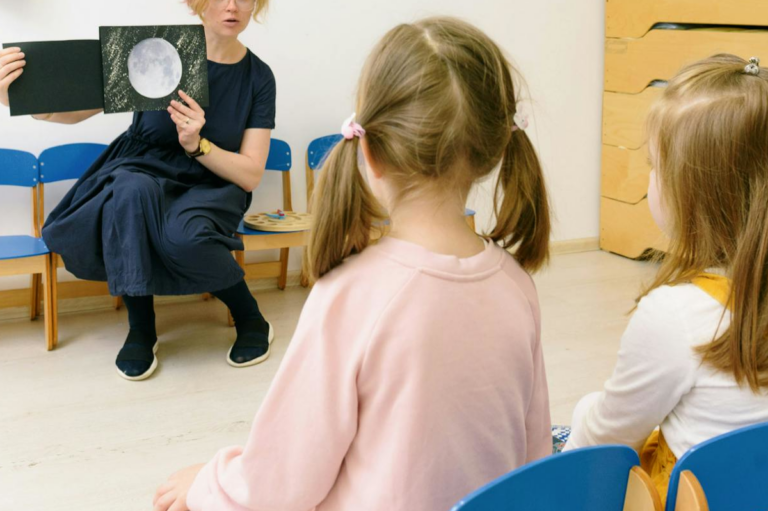
This may seem obvious however; it is important to remind ourselves that self-regulation is a skill that develops gradually over time. Young children cannot yet manage strong emotions independently and rely on supportive adults to help them do so.
The process of doing this is described as co-regulation. Practitioners support co-regulation when they;
Through repeated experiences of this kind, children begin to develop the emotional understanding and strategies that support self-regulation.
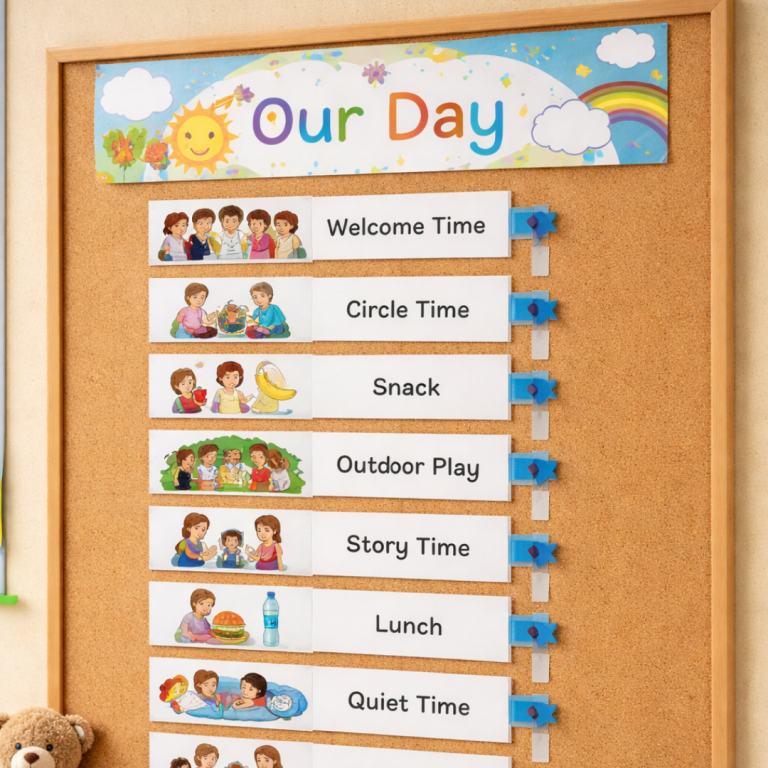
Children’s behaviour is also shaped by the environments we create for them.
Well-planned early years environments anticipate children’s needs and reduce unnecessary frustration. Clear routines, thoughtful organisation of space and engaging experiences all contribute to a sense of security and calm.
Practitioners can support positive behaviour by:
When children feel secure and engaged, they are more able to manage their emotions and interactions with others.
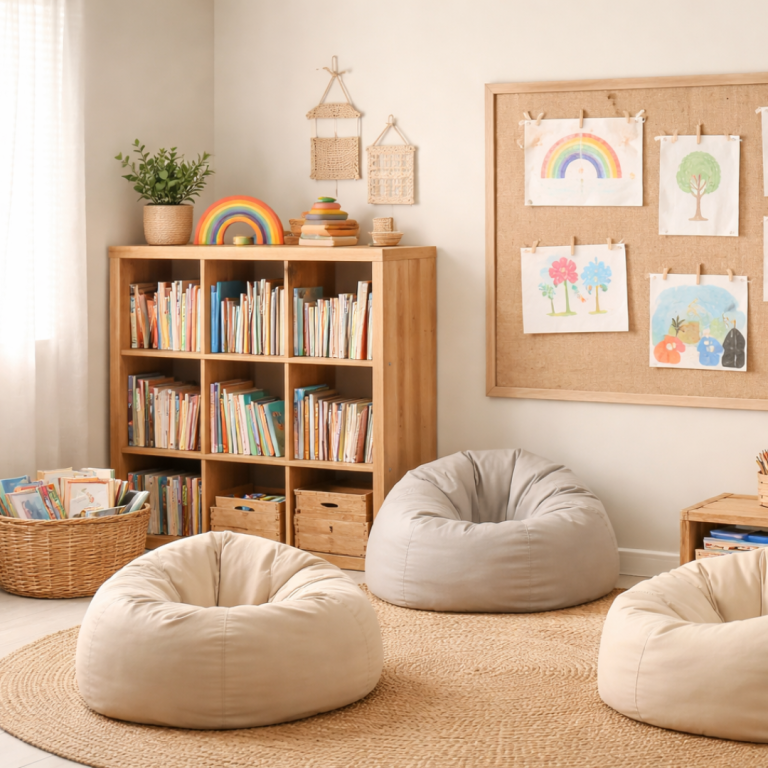
When behaviour challenges arise, it can be helpful for practitioners to pause and reflect on what the child might be communicating. Questions such as:
can help practitioners move beyond the behaviour itself and focus on understanding the child.
This reflective approach supports practitioners to respond in ways that promote children’s development rather than simply addressing the immediate behaviour.
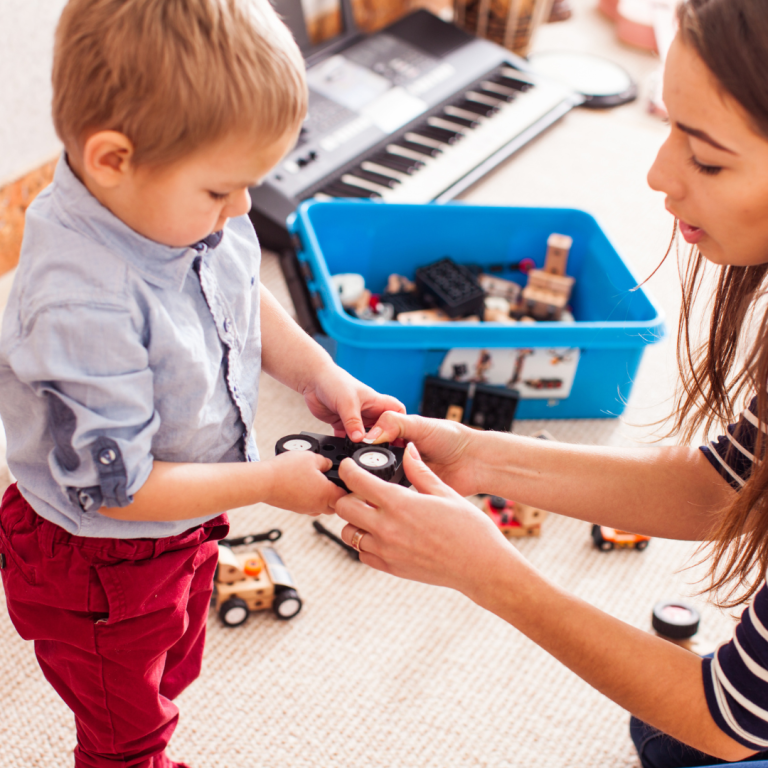
Supporting behaviour in early years is ultimately about helping children develop the emotional and social skills they need to interact positively with others.
Practitioners support this development when they:
These everyday experiences help children develop the foundations for strong relationships and future learning.
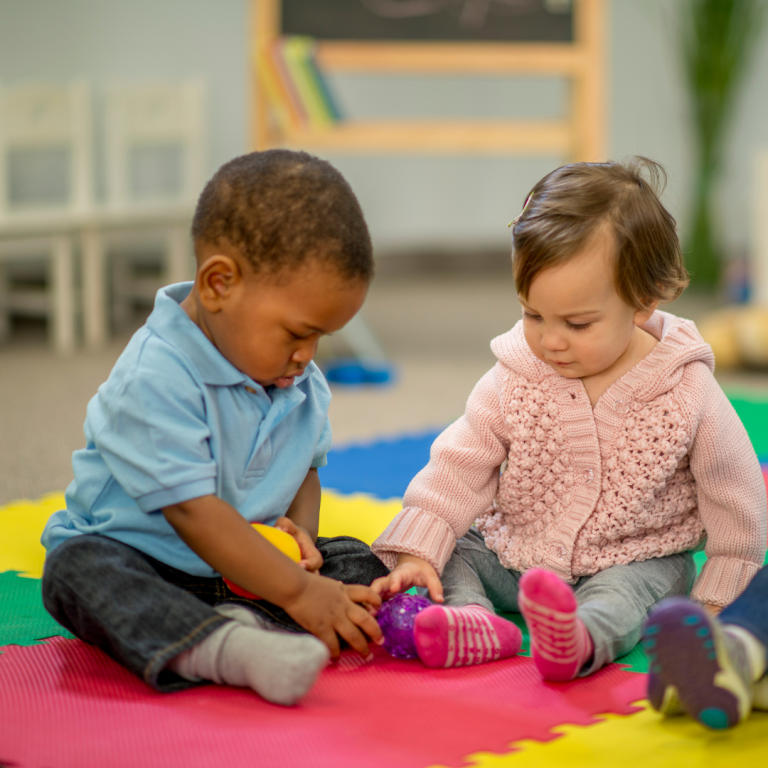
When behaviour is understood as communication, our role as practitioners’ shifts. Rather than focusing only on stopping behaviours, we begin to focus on understanding children.
This approach reflects the core principles of early years practice: building positive relationships, creating enabling environments and supporting each child’s unique development.
By looking beyond `behaviour and considering what children may be trying to tell us, practitioners can provide the sensitive and responsive support that young children need to thrive.
If you’re looking to deepen your knowledge, strengthen your practice, or feel more confident supporting children’s behaviour in your setting, take a look at our Building Self Regulation in the Early Years course.
Practitioners will have an opportunity to:

Michelle has worked and progressed within the early years sector for nearly 25 years, and is our newest consultant here at MBK Early Years, having joined us in January 2026.
Michelle has managed multiple teams, progressing through roles such as Childcare and Education Manager, Head of Early Years, and Company Childcare Director, where she was the Ofsted nominated individual for 106 nurseries.
Of all her achievements, Michelle is most proud of the work she has done with teams and individuals to help them reach their full potential.
With the ever-changing regulations and guidance, sign up to our monthly newsletter and mailings to stay current and keep up to date with running your childcare setting.
Simply enter your details below to join our mailing list.
By completing this form you are agreeing to our privacy policy You can unsubscribe at any time