Share

Every nursery has an improvement plan. Actions are identified, training is booked, policies are updated and deadlines are set. But writing an improvement plan does not improve practice any more than buying new resources automatically improves children’s learning.
Real improvement happens when leaders understand what is working, what needs to change and, most importantly, whether the changes they are making are having the impact they intended.
As we move towards the new inspection framework, this way of thinking has never been more important.
It is not about having the right paperwork or being able to demonstrate that you have completed a list of actions. It is about understanding your provision deeply enough to evaluate its strengths, recognise where improvements are needed and know, with confidence, the difference those improvements are making for children.
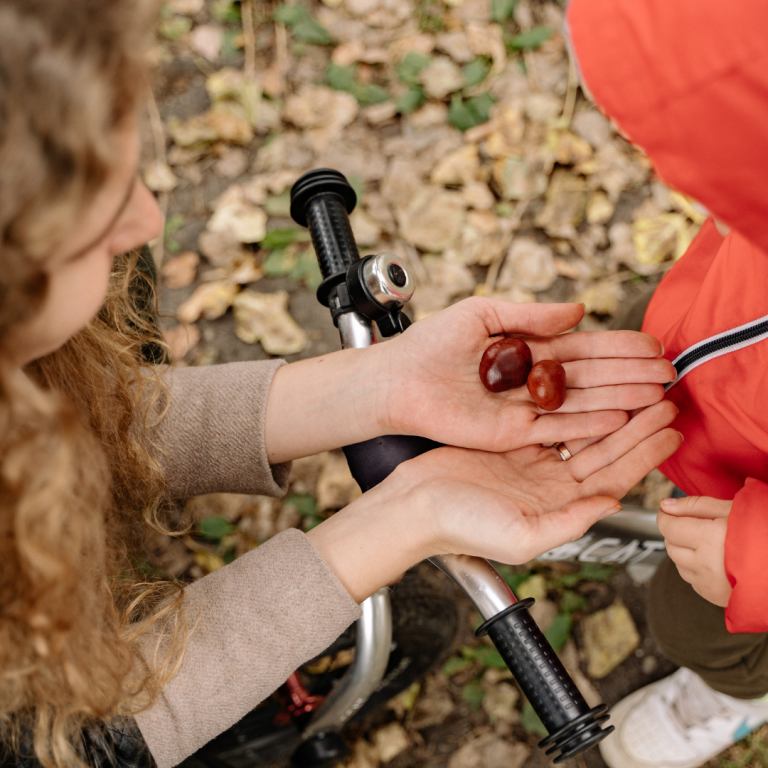
That starts with honest self-evaluation. Self-evaluation is not something you complete once a year before an inspection. It should become part of everyday leadership. It is the process of continually observing practice, reflecting on what you see, talking with practitioners, listening to children and asking yourself whether your provision is achieving what you want it to achieve.
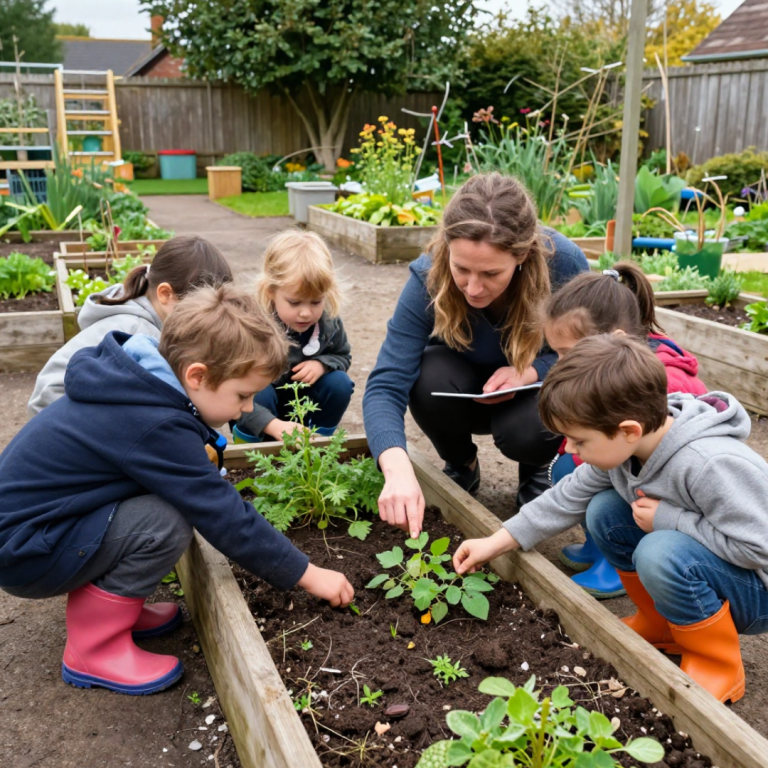
The Early Years Inspection Toolkit provides a useful framework for this. To understand where your setting sits within the toolkit, leaders need an accurate picture of what children experience every day.
That cannot come from policies, plans or what leaders believe should be happening. It comes from observing practice, spending time in rooms, listening to practitioners and noticing how the curriculum, routines, relationships and environment come together for children.

Take curriculum, for example. Most settings have spent time developing their curriculum, but simply having one is not enough. Leaders need to know whether every practitioner understands it, whether it is consistently reflected in everyday practice and whether children are developing the knowledge, skills and attitudes that the curriculum intends.
The same applies to safeguarding. Meeting statutory requirements is essential, but safeguarding is about far more than policies, training records and recruitment checks. It is about creating a culture where children’s welfare is at the heart of every decision, where practitioners remain professionally curious and where leaders know that safeguarding is embedded in everyday practice.
Leadership and governance follow the same principle. Strong leadership is not measured by how many meetings have taken place or how many action points have been completed. It is reflected in leaders who know their setting, understand the strengths within their team, recognise where further support is needed and continually monitor whether improvements are making a difference.
Inclusion weaves through the whole toolkit. It is not a separate initiative or the responsibility of one person. Inclusive practice should be visible throughout the curriculum, the environment, daily routines, relationships with families and the experiences of every child. Leaders need to be able to evaluate whether every child truly has the opportunity to belong, participate and thrive.

What links all of these areas together is not simply what has been done, but the impact it has had. One of the biggest shifts in thinking is recognising that improvement is not measured by actions completed. It is measured by the difference those actions make.
It is easy to produce a long list of completed actions. Staff attended training. The environment was reorganised. New resources were purchased and policies reviewed. These are all positive steps, but they are only the starting point.
The more important questions are whether the training has changed practice, whether practitioners are more confident in their decision-making, whether the environment has improved the quality of children’s play, whether children are experiencing a more ambitious and well-sequenced curriculum and whether safeguarding has become stronger because of the culture you have created.
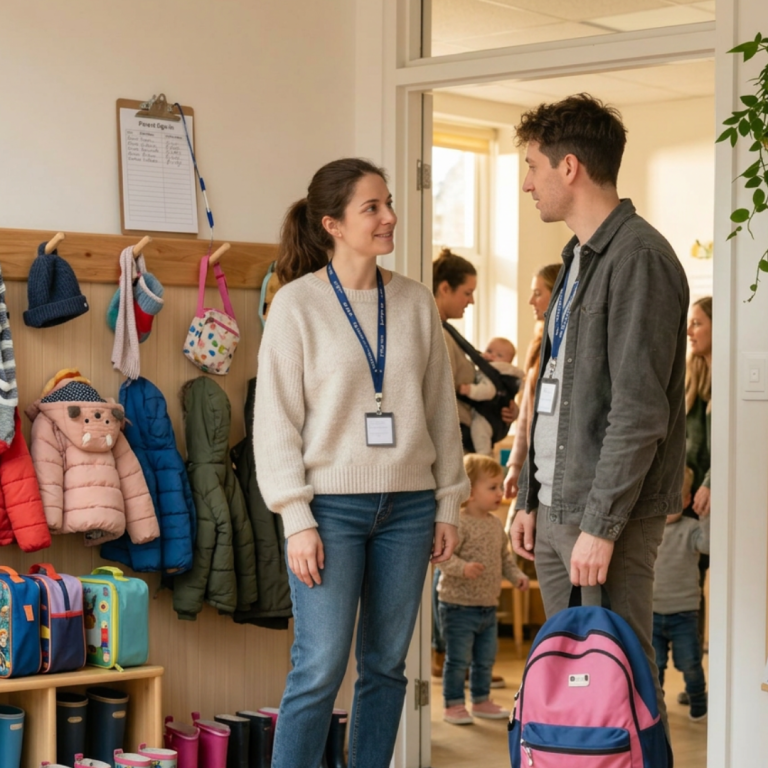
Leaders also need to consider whether families feel more included and better supported, and whether the changes they have introduced can be seen in the everyday experiences of children. These are the questions that turn an improvement plan into genuine improvement.
The strongest leaders do not simply ask, “Have we done it?” They ask, “Has it made a difference?”
Regular observations, reflective conversations, coaching and monitoring help answer that question. They provide the evidence leaders need to understand the impact of the decisions they are making. Improvement is no longer based on assumptions. It is based on what leaders know because they have taken the time to observe, evaluate and reflect.
The most successful settings do not wait until inspection to find out how effective they are. They already know because self-evaluation is part of their everyday practice. They understand where practice is strong, where there are inconsistencies and what needs to happen next. Their improvement plans are shaped by what they see and hear across the setting, then reviewed against the difference those actions make.
Over the summer, our Summer Snapshot webinars will explore each of these key areas in more depth. Together, they’ll help leaders reflect on Curriculum, Safeguarding, Leadership and Governance, and Inclusion, providing practical insight to support meaningful self-evaluation and continuous improvement.
The best improvement plans are not those with the most actions. They are the ones where leaders know why each action is needed, what difference they expect it to make and how they will know whether it has worked.
At the end of the day, improvement is not measured by what you have done. It is measured by the difference it makes.
Our Summer Snapshot Webinar Series is now open for booking.
Each webinar is one hour long, costs just £10 to attend and can be booked individually, so you can choose the topics most relevant to you and your setting. You’re welcome to book onto as many sessions as you like throughout the summer.
The full list of webinars, along with booking links for each session, can be found below.
Curriculum and Teaching – 5th August 10-11 am
Leadership and Governance – 12th August 10-11 am
Safeguarding – 19th August 10-11 am
Inclusion – 26th August 10-11am
With the ever-changing regulations and guidance, sign up to our monthly newsletter and mailings to stay current and keep up to date with running your childcare setting.
Simply enter your details below to join our mailing list.
By completing this form you are agreeing to our privacy policy You can unsubscribe at any time