
Share

Strong parent partnerships have always been at the heart of high-quality early years practice. They are not simply an expectation of the Early Years Foundation Stage; they are fundamental to helping every child feel safe, secure and ready to learn.
When parents and practitioners work together, children benefit from consistency, shared understanding and positive relationships. Yet meaningful partnerships don’t happen by chance. They are built through everyday interactions, open communication and a genuine commitment to working together.
The partnership begins long before a child starts attending your setting.
consequences can be significant.
Claiming 15 hours instead of 30 for a child entitled to the full amount, recording a child as term-time when they attend all year round, or missing a child from the submission entirely can each cost a nursery thousands of pounds per child. Most of these errors are predictable and preventable.

The first visit to a nursery is often filled with mixed emotions.
Parents may feel excited about the opportunities ahead, whilst also feeling anxious about leaving their child in someone else’s care.
Every interaction during those first moments contributes to the relationship that follows.
Parents quickly notice:
Whilst parents may admire the learning environment, it is often the atmosphere they remember most.
People create confidence.
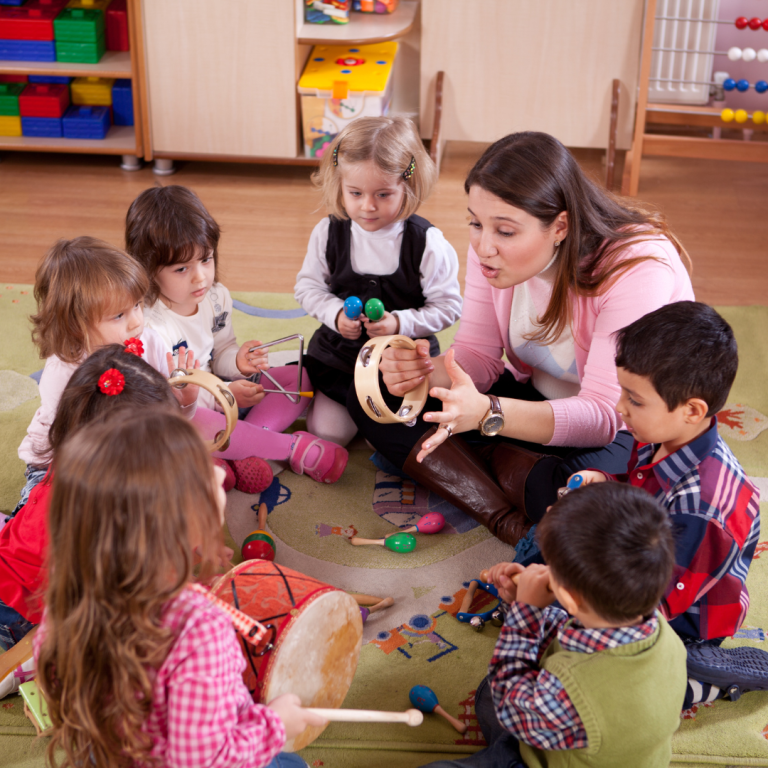
One of the simplest ways to build trust is by listening.
Parents know their child better than anyone else. They understand their routines, interests, fears and personalities.
When practitioners take time to ask thoughtful questions and genuinely listen to the answers, families feel valued.
Questions might include:
These conversations demonstrate that every child is seen as an individual.

Communication should never feel like a checklist.
Parents appreciate regular updates, but what they value most are meaningful conversations that help them understand their child’s experiences.
A simple conversation at collection time about a child’s new friendship, a moment of resilience or something that made them laugh often means far more than a long written report.
Effective communication includes:
Partnership is always a two-way conversation.
Trust develops over time.
Children thrive when the important adults in their lives work together consistently.
This consistency might include:
When children experience continuity between home and nursery, they feel increasingly confident and secure.

Every family is unique.
Some parents may feel confident asking questions, whilst others may need reassurance before sharing their thoughts.
High-quality partnerships recognise and respect these differences.
Practitioners can strengthen relationships by:
When families feel welcomed without judgement, they are more likely to become active partners in their child’s learning.
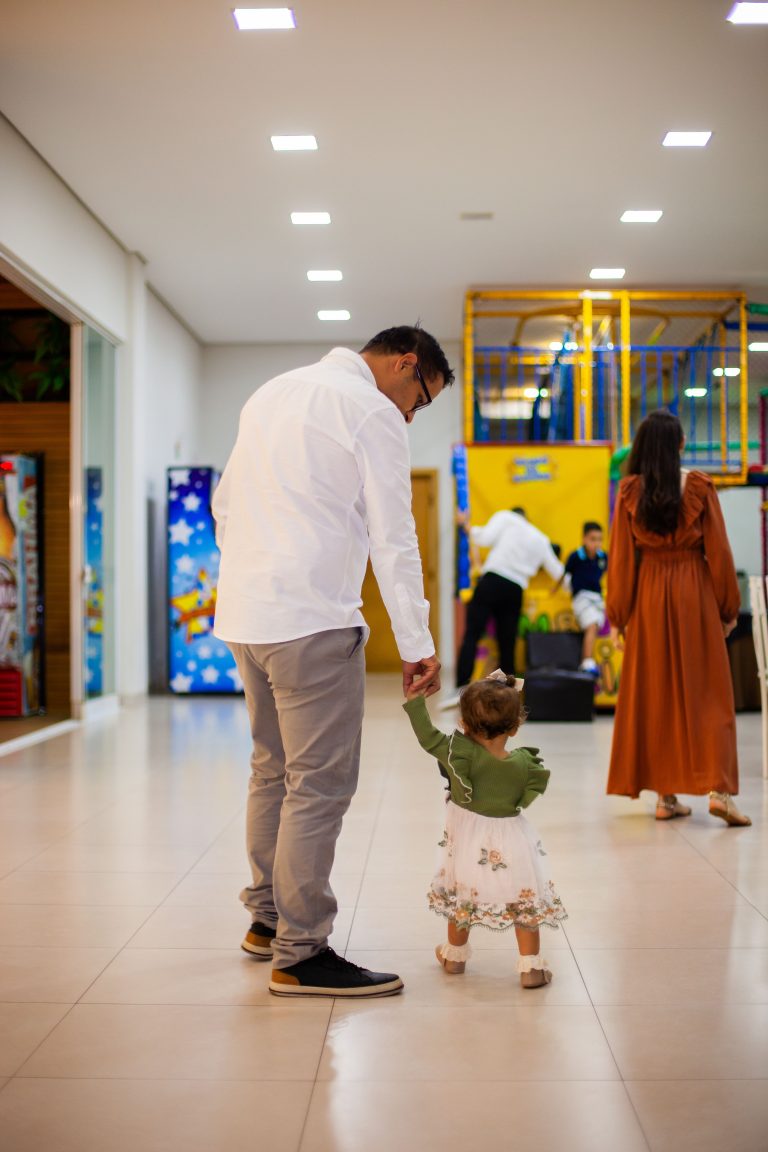
Not every conversation will be easy.
Occasionally practitioners need to discuss concerns about behaviour, development or wellbeing.
These conversations are most successful when they are built upon an existing relationship of trust (which we cover in-depth in our EY Designated Safeguarding Lead Training)
Helpful approaches include:
Parents are far more likely to engage positively when they feel supported rather than criticised.
It can be helpful for practitioners and leaders to reflect regularly on their relationships with families.
Ask yourself:
Small changes to everyday practice can strengthen relationships significantly.

Strong parent partnerships are built through trust, respect and communication.
They are not created through newsletters alone, nor through online learning journals in isolation.
They are built during welcoming smiles, thoughtful conversations and genuine relationships that develop day after day.
When parents and practitioners work together with a shared purpose, children benefit from the consistency, security and encouragement they need to flourish.
After all, every child deserves a team of adults working together in their very best interests.
With the ever-changing regulations and guidance, sign up to our monthly newsletter and mailings to stay current and keep up to date with running your childcare setting.
Simply enter your details below to join our mailing list.
By completing this form you are agreeing to our privacy policy You can unsubscribe at any time