Working hours
Mon - Fri: 8am to 5pm
Mon - Fri: 8am to 5pm
Share

In the busy Early Years environments, practitioners are constantly balancing many responsibilities – supporting routines, ensuring children are safe and engaged, and responding to individual needs throughout the day.
Within this hustle bustle, it can sometimes feel difficult to slow down and engage in deeper interactions with children. However, these meaningful moments of connection are often where some of the most powerful learning takes place.
This is where sustained shared thinking becomes particularly important.
Sustained shared thinking happens when adults and children work together in an intellectual way to explore an idea, solve a problem or deepen understanding. These interactions support children’s thinking, language development and curiosity, and are a key feature of high-quality early years practice.

Children learn best through warm, responsive interactions with the adults around them.
When practitioners take time to engage with children’s ideas, ask thoughtful questions and explore learning together, children feel valued and motivated to think more deeply.
These shared moments support many aspects of development, including:
Importantly, sustained shared thinking does not require lengthy teaching lessons. It often happens during everyday moments of play and exploration.

One of the most effective ways to encourage sustained shared thinking is to begin with what children are already interested in. When practitioners follow children’s fascinations and interests, learning becomes more meaningful and engaging.
For example, a child building a tower with blocks may already be exploring ideas about balance and structure. A practitioner who joins the play and asks thoughtful questions can help extend the child’s thinking further.
Simple prompts such as:
can encourage children to reflect, predict and experiment.
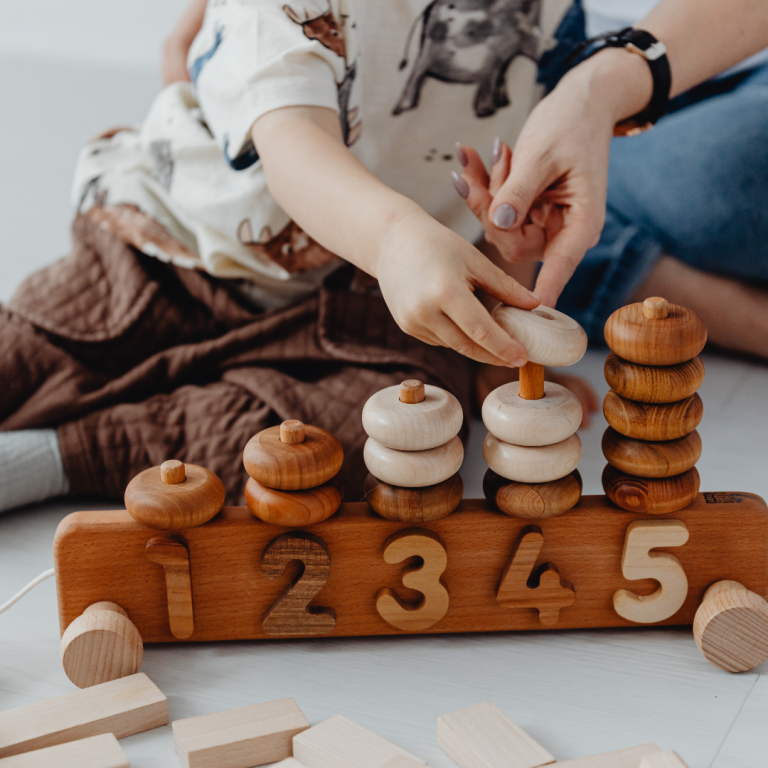
In busy settings, it can be tempting to move quickly between tasks. However, sustained shared thinking often requires practitioners to pause and stay with a moment a little longer. This might involve:
Even a short interaction can become meaningful when adults are fully present and engaged.

Open-ended questions help children to expand their thinking rather than simply providing a single correct answer. Questions such as:
Encourage children to explain their ideas and explore possibilities. These conversations help develop language, reasoning and confidence in expressing thoughts.
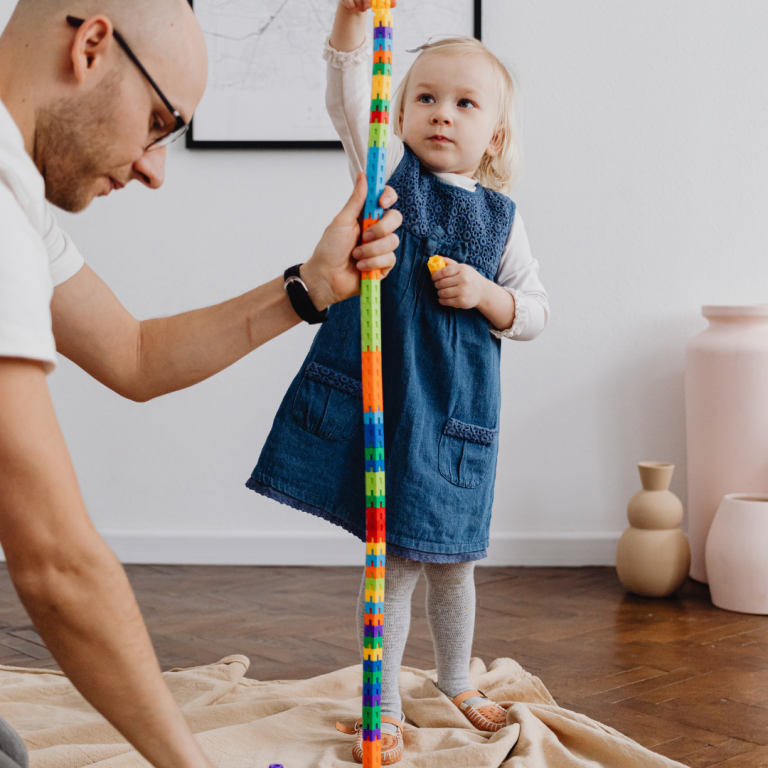
Sustained shared thinking often emerges when adults and children work together to solve a challenge.
For example:
Rather than immediately providing the solution, practitioners can support children to think through the problem and test the ideas together. This collaborative approach helps children develop persistence and confidence in their own thinking.
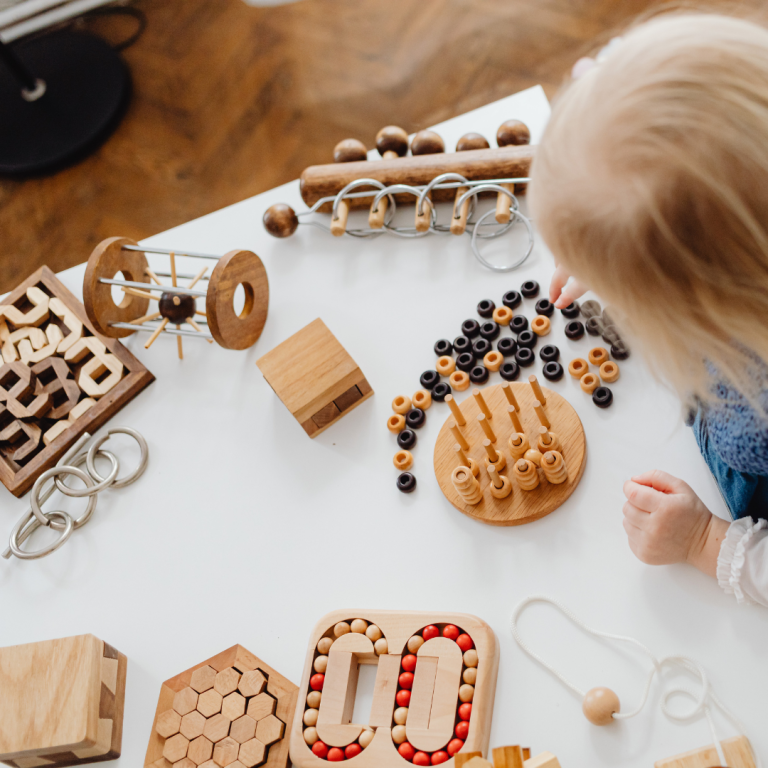
The learning environment also plays an important role in supporting sustained shared thinking.
Open-ended resources, interesting materials and opportunities for exploration naturally invite children to investigate and ask questions. Practitioners can support this by:
When environments are rich in opportunities for curiosity and exploration, meaningful interactions are more likely to emerge.
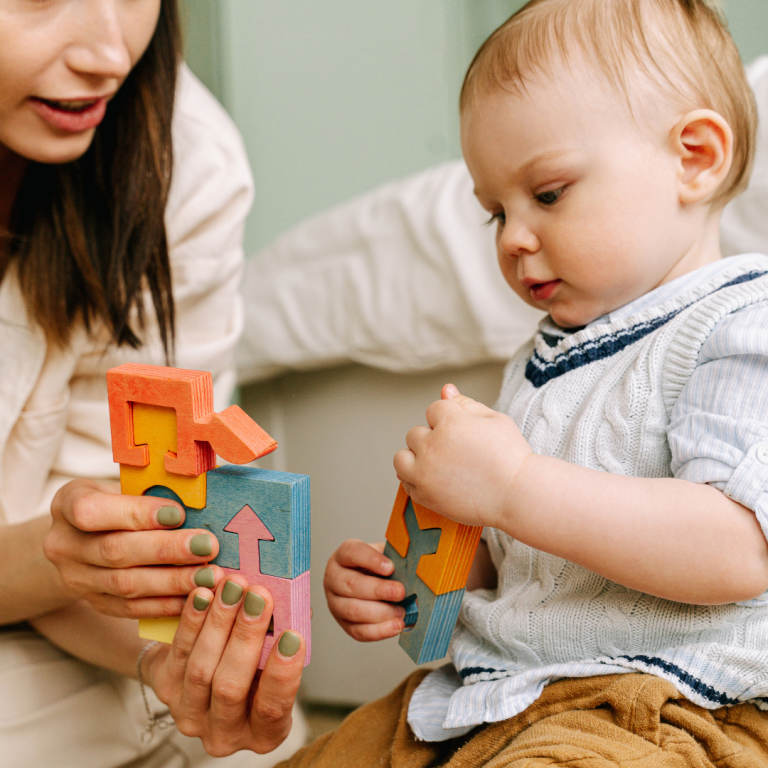
For busy practitioners, sustained shared thinking does not need to feel like an additional task. Instead, it can be woven into everyday interactions:
These everyday moments provide valuable opportunities for practitioners to engage with children’s thinking and extend their learning.
Small moments, big impact
Sustained shared thinking does not require long conversations or formal teaching. Ofsted, it happens in brief but meaningful moments when practitioners slow down, listen and explore ideas alongside children.
By noticing children’s interests, asking thoughtful questions and thinking together, practitioners can create powerful learning opportunities within everyday play.
In busy early years environments, these moments may seem small, but they can have a significant impact on children’s curiosity, confidence and love of learning.
If this has got you thinking about how you can create more meaningful moments of connection in your setting, it might be time to take that next step.
Our Every Interaction Counts course is designed specifically for busy practitioners who want practical, realistic strategies they can use straight away. It explores how to build strong attachments, scaffold learning through everyday interactions, and use questioning techniques that truly extend children’s thinking.
Whether you’re looking to deepen your understanding of sustained shared thinking or strengthen communication for all children – including those with SEN and EAL – this course will give you the confidence and tools to make every interaction count.

Michelle has worked and progressed within the early years sector for nearly 25 years, and is our newest consultant here at MBK Early Years, having joined us in January 2026.
Michelle has managed multiple teams, progressing through roles such as Childcare and Education Manager, Head of Early Years, and Company Childcare Director, where she was the Ofsted nominated individual for 106 nurseries.
Of all her achievements, Michelle is most proud of the work she has done with teams and individuals to help them reach their full potential.
With the ever-changing regulations and guidance, sign up to our monthly newsletter and mailings to stay current and keep up to date with running your childcare setting.
Simply enter your details below to join our mailing list.
By completing this form you are agreeing to our privacy policy You can unsubscribe at any time